

Proxy Endpoint Service Hostname and Port Mistakes


A proxy endpoint service can fail before authentication if the hostname, port or connection scheme is wrong. These fields identify the service interface, not the exit observed by a destination. When configuring Go2Proxy proxy server connections, compare the complete endpoint with the current product instructions before changing passwords or replacing addresses.
This narrow check is especially useful when a copied configuration worked in another tool but fails in the deployed application.
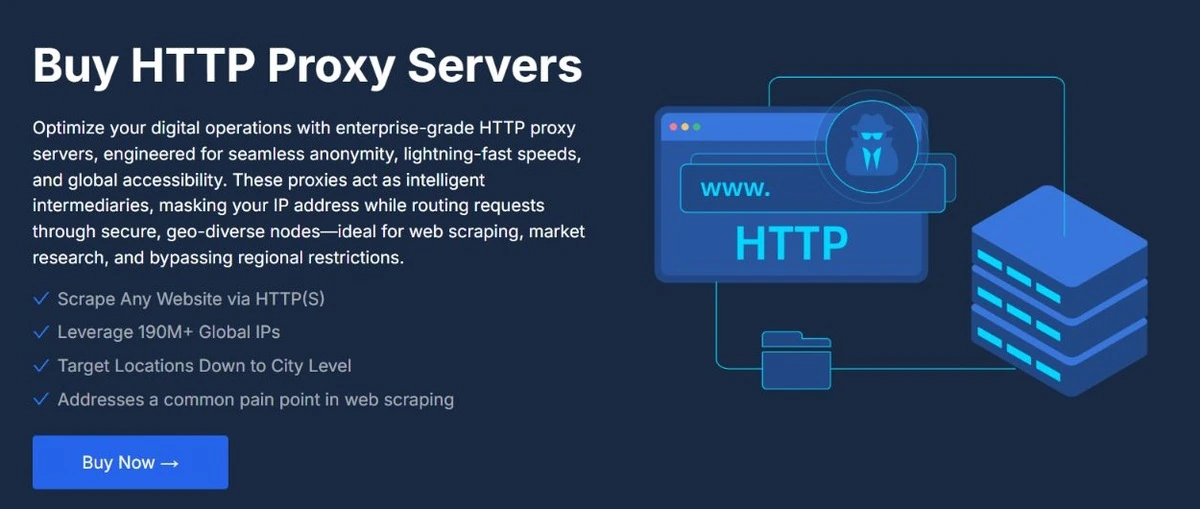
Keep endpoint fields distinct
The hostname identifies the gateway. The port selects a listening service. The scheme tells the client how to connect. Credentials authorize access after the appropriate connection path is established.
Do not infer the scheme from a familiar port number. Use the product's supported combination. A client attempting one protocol against a listener for another can fail in ways that resemble a generic network problem.
Keep the destination URL outside the gateway field. Some tools accept a complete proxy URL; others require separate fields. Supplying the same text in both formats can produce malformed configuration.
Check parsing before making requests
Use a URL-aware parser or the client's supported configuration fields. Reject missing hosts, invalid ports and unexpected schemes before the worker starts its task.
Watch for copied whitespace, typographic punctuation or a trailing path introduced by a document editor. Keep the source value in controlled plain-text configuration rather than manually retyping it from a screenshot.
If a secret appears in the URL, ensure reserved characters are encoded at the correct component boundary. Do not encode the entire URL as though it were one password or concatenate raw components indiscriminately.
Match the selected product
Different proxy products or access methods may use different endpoints. A working setting for one arrangement is not proof that the same host and port apply to another.
Record a non-secret product and configuration label. This allows support to check the intended service without receiving a complete credential-bearing string.
Preserve the supported hostname rather than replacing it with a currently resolved address. A literal address can bypass service routing assumptions or create certificate identity problems where TLS is involved.
Diagnose the connection layer
Run a bounded test from the actual application environment. Separate name-resolution failure, connection refusal, connection timeout and authentication rejection.
If the hostname does not resolve, inspect the spelling and resolver path. If the connection is refused, review the intended listener and network policy. An authentication change is not the first correction for either condition.
After connecting successfully, test an approved destination and validate its response. Passing the endpoint connection check establishes only the first part of the application path.
A copied port example
Imagine a team moves an approved collector from one client to another. The new form contains separate hostname and port fields, but the operator pastes a full URL into the hostname box and retains an old port value.
Compare the parsed configuration with the product instructions, correct the fields and repeat the small diagnostic. The account credentials may have been valid throughout; replacing them would have added another change without fixing the endpoint.
Add startup validation and a redacted configuration summary to the application. That makes this class of error visible before the job spends time processing a long queue. The checklist for proxy connection testing provides a broader acceptance sequence covering the route, authentication and usable destination response.
Endpoint error questions
Is the observed exit IP always a valid gateway?
No. Connection endpoint and destination-visible source are different roles. Use the provider's documented interface.
Does a connection timeout mean the password is wrong?
Not necessarily. Determine whether authentication was reached at all. Host, port, network policy and listener availability can fail earlier.
Should a complete proxy URL be pasted into every field?
No. Match the client interface. Some clients need a URL; others require separate host, port and authentication values.
Validate configuration at startup
Reject malformed endpoints clearly and preserve the non-secret setting actually used. This keeps an avoidable parsing error from becoming a lengthy investigation into unrelated proxy or destination behavior.


 Email:
 Telegram:
 WhatsApp:
 QQ:


