Proxy Latency Test Methods with curl Timings


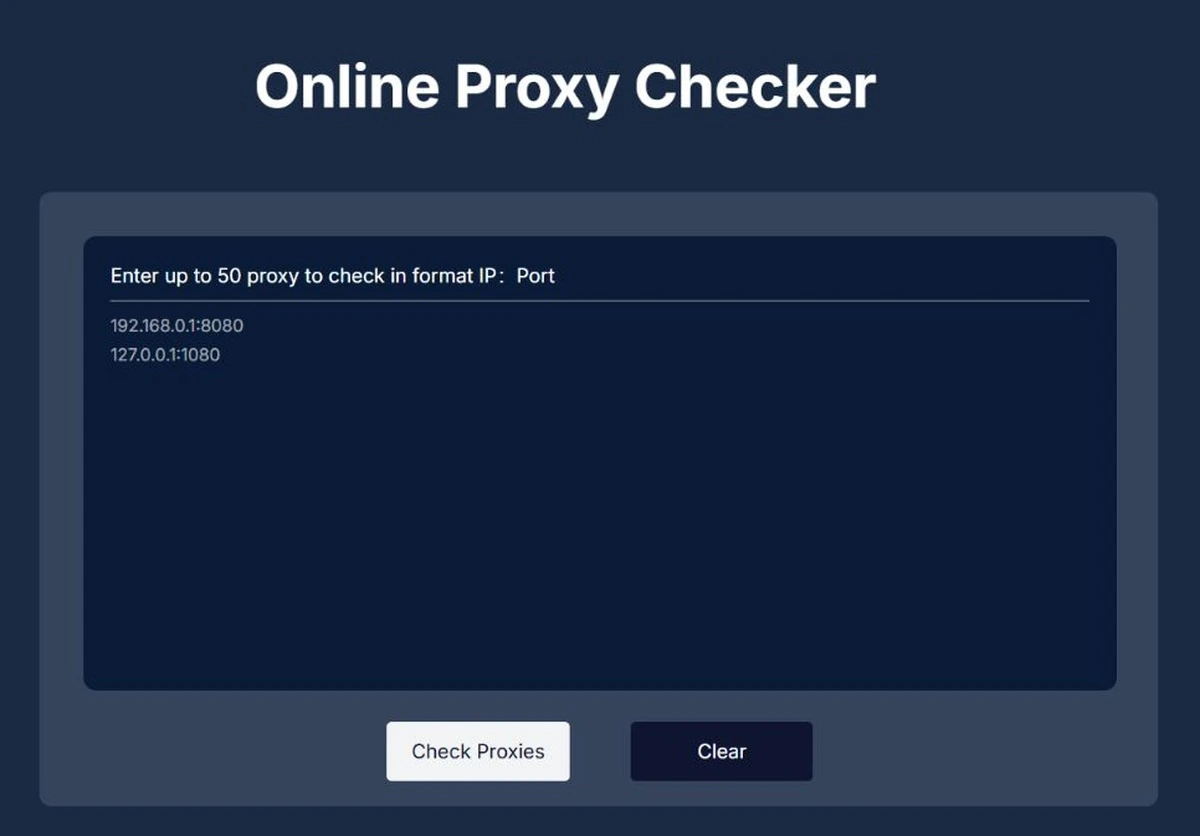
A proxy latency test using curl should explain what each timing value measures. Many timing fields represent elapsed milestones from the start of a transfer, not isolated durations for independent network segments. Use Go2Proxy proxy checking tools alongside a controlled curl test when you need to investigate a specific application path.
The objective is a comparable measurement, not the smallest number obtainable by changing the request until it becomes easier than the real workload.
Define the measured request
Choose a small owned or approved destination with stable content. Record the method, response size, client location and whether redirects are allowed. Different pages and payload sizes can produce different timings even through the same proxy.
Keep the gateway configuration and destination URL separate in the test notes. A proxy request contains more than one connection boundary, so a general connect milestone should not automatically be labeled as the destination's complete connection time.
Record the curl version and relevant build capabilities. A container and a workstation may differ in supported protocols or trust configuration, which can change the path being measured.
Read cumulative milestones correctly
Review the installed version's documented timing fields. A time-to-first-byte milestone includes earlier work that occurred before the first response byte arrived. It is not simply the destination server's processing time.
Where subtracting milestones is appropriate, state the interpretation and its limitations. Redirects, reused connections and different protocol paths can make a simple subtraction unsuitable for the comparison.
Keep raw fields beside any derived measure. This lets another reviewer inspect the calculation rather than trusting a column labeled network delay whose definition is unclear.
Control connection reuse and redirects
A cold connection and a reused connection answer different performance questions. Label them separately. Do not combine them into one average without explaining the mixture.
Redirects can add requests and change the final resource. Record the redirect count and final destination when they are allowed. A request that returns immediately with a redirect should not be compared as though it fetched the complete target page.
Keep proxy session behavior consistent with the test objective. A change in exit allocation can alter the observed route. It may be appropriate for a sampling test, but it should not be hidden in a supposed same-path comparison.
Validate content before calling a sample successful
Save the HTTP outcome and an expected content marker with the timing. A fast login page or error response can lower an average while making the actual task less useful.
Separate timeouts and failed attempts from successful durations, while retaining their counts in the report. Excluding them silently makes an unstable route appear faster than it is.
Use a bounded sample size and request pace approved for the destination. A latency diagnostic should not become a load test against a service that has not authorized that activity.
Interpret a suspicious improvement
Imagine a proxy test appears much faster after a configuration change. Inspection shows that the new command no longer follows an approved redirect, so it measures only the initial response rather than the final content.
Restore comparable request behavior and repeat the bounded sample. Keep the earlier figures labeled as a different test rather than presenting them as a performance gain.
Another apparent improvement can come from removing failed samples. Preserve the success rate and failure categories beside timing statistics so speed and reliability remain visible together. The guide to latency and throughput measurements provides a wider measurement framework for distinguishing startup delay, completed work and observation conditions.
curl timing questions
Is time to first byte the server processing time?
No. It is an elapsed milestone that can include connection and request-path work. Use the documented field definition and avoid assigning it to one component without evidence.
Should reused and new connections share one benchmark?
Only if that mixture represents the actual workload and is reported clearly. Otherwise separate the conditions so the comparison remains meaningful.
Can the fastest sample define normal proxy latency?
No. It shows one favorable observation. Use an appropriate distribution and retain failure counts to describe the tested workload more honestly.
Save measurements with their definitions
Keep the command configuration, raw timing fields, content result and sample conditions together. A number becomes useful only when another operator can tell what was measured and reproduce the same question.


 Email:
 Telegram:
 WhatsApp:
 QQ: